Master the Top 10 Interview Questions and Stand Out from the Crowd
Mar 13, 2026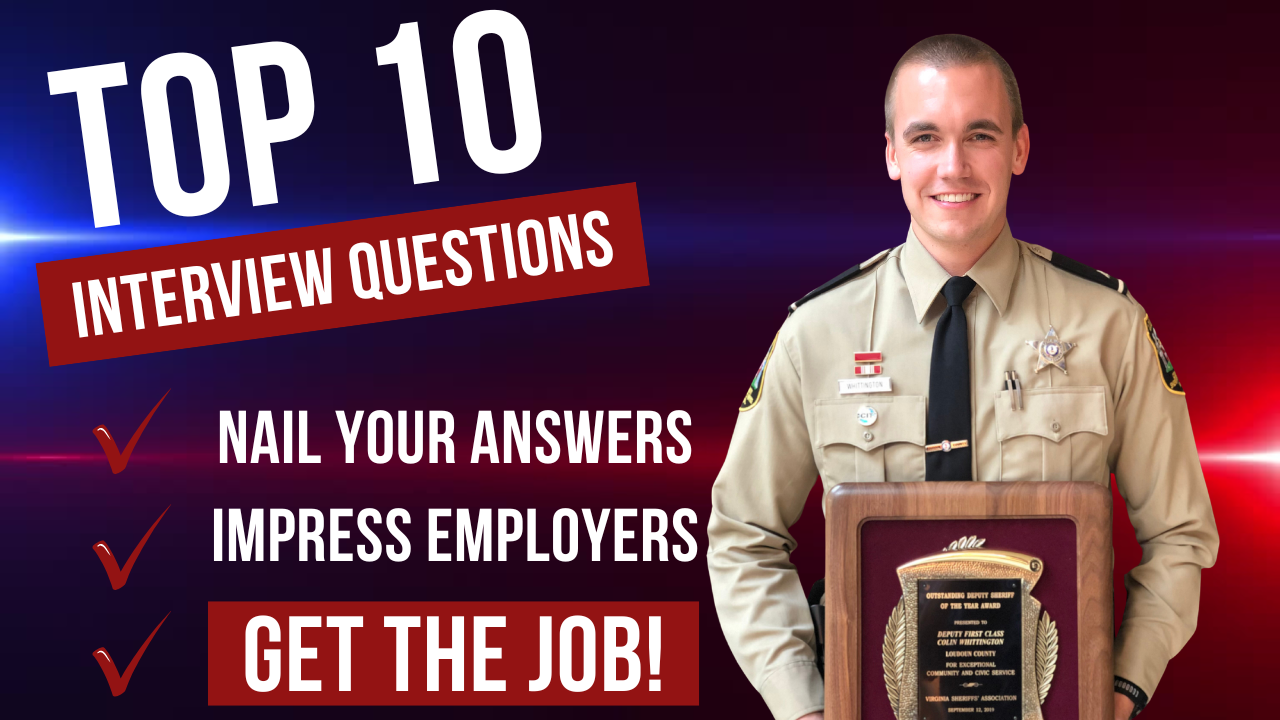
Job interviews can feel intimidating, but they do not have to be. Most employers ask a set of core questions to evaluate your experience, mindset, and fit for the role. Knowing how to answer these questions effectively can make the difference between a good candidate and a great one.
In my latest video, I walk through the ten most common interview questions and provide practical strategies to respond confidently. The video shows how to structure your answers, avoid common mistakes, and present yourself as the best candidate for the job. You can watch it here: https://youtu.be/_UzO-p7FpcI
The first question is Tell Me About Yourself. Many candidates treat this as a simple introduction, but it is an opportunity to set the tone for the interview. Structure your answer by covering the present, past, and future. Focus on professional experience and accomplishments, and keep it concise. For example, “I have over a decade of experience in law enforcement, cybersecurity, and fraud investigation. I recently earned a degree in Information Technology and obtained cybersecurity certifications, and I am now excited to apply my investigative skills in a cybersecurity analyst role focusing on threat detection and risk management.”
The second question, Why Do You Want to Work Here, tests your knowledge of the organization and alignment with its values. Show genuine enthusiasm and connect your background to the company’s mission or goals. For instance, “I am impressed by [Company Name]’s commitment to innovation in cybersecurity. My experience in digital forensics aligns closely with your mission, and I am eager to contribute to a team that protects critical digital infrastructure.”
Next is What Are Your Strengths. Highlight two or three qualities that directly relate to the position and provide examples of how they add value. A strong answer could be, “One of my strengths is problem-solving under pressure. In a previous role, I led a fraud investigation that recovered over $100,000 in stolen funds. I also excel at translating technical issues for non-technical audiences, which builds trust between departments.”
What Are Your Weaknesses is often tricky, but honesty and self-awareness are key. Pick a non-critical weakness and explain how you are addressing it. For example, “I sometimes struggle with delegating tasks, preferring to take on too much myself. I have worked on this by mentoring junior staff and assigning responsibilities based on their strengths, improving our team efficiency.”
Tell Me About a Time You Faced a Challenge at Work is best answered using the STAR method: Situation, Task, Action, Result. For example, “In a fraud investigation spanning multiple jurisdictions, I coordinated with partner agencies to gather digital and physical evidence. By mapping fraudulent activity to IP addresses and device fingerprints, our team identified key perpetrators, leading to multiple arrests and the recovery of over $150,000 in stolen funds.”
Where Do You See Yourself in Five Years helps employers understand your goals and long-term potential. Your answer should show ambition aligned with the role. For example, “In five years, I see myself as a senior threat analyst leading a team focused on proactive threat intelligence, contributing to evolving security strategies at [Company Name].”
Why Should We Hire You is your opportunity to summarize your value. Focus on your unique combination of skills, experience, and motivation. A strong response could be, “My background in law enforcement, cybersecurity, and fraud detection gives me a unique ability to analyze threats from multiple angles. I am passionate about protecting systems and people, and I can bring both technical knowledge and real-world problem-solving to your team.”
Tell Me About a Time You Had a Conflict at Work shows your ability to collaborate and resolve issues professionally. Use the STAR method to describe a situation without assigning blame. For instance, “A teammate and I disagreed on how to handle a security breach. I invited him to review the incident data with me, and through discussion, we found a better solution together and updated our protocols for faster response in the future.”
How Do You Handle Pressure and Stress allows you to demonstrate composure and problem-solving under challenging situations. A good answer could be, “During an urgent cyber incident, I stayed calm by prioritizing tasks and focusing on immediate containment. This approach allowed me to lead a coordinated response, minimizing impact and preventing further compromise.”
Finally, Do You Have Any Questions for Us is crucial. Thoughtful questions show engagement and professionalism. Ask about team dynamics, challenges, or growth opportunities, and avoid questions about salary unless prompted. Examples include, “What does success look like in the first six months?” or “What are the biggest challenges your team currently faces?”
Taking the time to prepare for these questions can make interviews less intimidating and more effective. Practice your answers, review them before the interview, and approach each question as an opportunity to demonstrate your experience, mindset, and potential.
You can watch the full video here: https://youtu.be/_UzO-p7FpcI. The video includes step-by-step guidance and a practice workbook to help you prepare for your next interview with confidence.